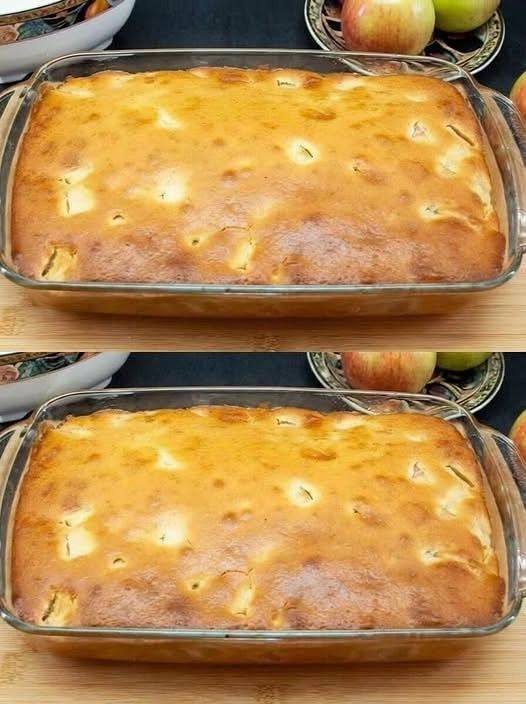
Soft & Spiced Apple Pie Cake: A Heavenly Fusion of Two Classic Desserts
When autumn arrives with its crisp air and colorful foliage, nothing captures the essence of the season quite like a perfectly baked apple dessert. This Soft & Spiced Apple Pie Cake brings together the beloved flavors of traditional apple pie with the tender, melt-in-your-mouth texture of a homemade cake. The result? An irresistible treat that will have your family asking for seconds before they’ve even finished their first slice.
Why This Apple Cake Will Become Your New Favorite
This recipe stands out from ordinary apple cakes for several compelling reasons. The cake layers are incredibly moist and fluffy, packed with aromatic spices that fill your kitchen with an intoxicating fragrance while baking. Fresh grated apples are folded directly into the batter, ensuring every bite delivers authentic apple flavor throughout.
Unlike dense, heavy cakes, this recipe creates a delightfully soft crumb that practically dissolves on your tongue. The warm spice blend of cinnamon, nutmeg, ginger, and allspice creates a symphony of flavors that complement the natural sweetness of the apples without overwhelming them. Whether you’re hosting a holiday gathering or simply craving a comforting homemade dessert, this cake delivers on all fronts.
Selecting the Perfect Apples for Your Cake
The foundation of any exceptional apple cake lies in choosing the right variety of apples. For this recipe, you’ll want apples that hold their texture during baking while providing a balanced sweet-tart flavor profile.
Honeycrisp apples are an excellent choice, offering exceptional juiciness and a honey-sweet taste with just enough acidity to prevent the cake from becoming overly sweet. Their firm texture ensures they won’t turn to mush during baking. Granny Smith apples provide a classic tart punch that beautifully balances the sugar in the batter, making them a perennial favorite among experienced bakers.
For those seeking something different, Braeburn apples deliver a crisp bite with complex flavor notes, while Gala apples contribute natural sweetness and a tender texture. Many bakers find that combining two different apple varieties creates the most nuanced and interesting flavor profile in the finished cake.
Essential Ingredients for Success
Creating this spectacular cake requires a collection of straightforward ingredients, most of which you likely already have in your pantry. All-purpose flour forms the structure of the cake, while a combination of granulated sugar and light brown sugar provides sweetness and contributes to the moist texture. The brown sugar specifically adds a subtle caramel note that enhances the overall flavor complexity.
Fresh eggs at room temperature are crucial for proper incorporation and creating a smooth batter. The protein in eggs provides structure while the fat keeps the cake tender. Vegetable oil or another neutral oil ensures the cake stays incredibly moist for days after baking, unlike butter-based cakes that can dry out more quickly.
Sour cream adds tanginess and richness while contributing to the tender crumb structure. If you don’t have sour cream on hand, full-fat Greek yogurt makes an excellent substitute. Unsweetened applesauce serves double duty by adding moisture and enhancing the apple flavor throughout the cake.
The spice blend is where this cake truly shines. Ground cinnamon forms the backbone of the flavor profile, while nutmeg, ginger, and allspice create layers of warmth and complexity. Fresh spices make an enormous difference in the final result, so check your spice cabinet and replace any bottles that have been sitting around for more than a year.
Preparing Your Fresh Apples
One of the secrets to achieving the perfect texture in this cake involves how you prepare the apples. Rather than chopping them into chunks or slicing them thinly, grating the apples using the large holes of a box grater produces the best results. This technique creates small, uniform pieces that distribute evenly throughout the batter and essentially melt into the cake as it bakes, creating pockets of intense apple flavor without creating dense, heavy spots.
You’ll need approximately two to three large apples, which should yield about two cups of grated fruit. There’s no need to peel the apples before grating, as the skin breaks down during baking and adds nutritional value along with natural pectin that contributes to the cake’s moisture.
Mastering the Mixing Technique
The key to achieving that coveted soft, tender texture lies in proper mixing technique. This recipe follows the simple two-bowl method, making it accessible even for novice bakers. In your first bowl, whisk together all the dry ingredients until they’re thoroughly combined. This step ensures the leavening agents and spices are evenly distributed throughout the flour.
In a separate larger bowl, whisk the eggs with both sugars until the mixture becomes pale and slightly fluffy. This aerates the batter and helps dissolve the sugar crystals. Add the oil, sour cream, applesauce, and vanilla extract, whisking until everything is completely smooth and homogeneous.
When combining wet and dry ingredients, use a gentle folding motion rather than vigorous stirring. Mix just until you no longer see streaks of flour, being careful not to overmix. Overdevelopment of gluten will result in a tough, chewy cake rather than the tender crumb you’re after. Finally, fold in the grated apples with a few gentle strokes until they’re evenly distributed throughout the batter.
Baking to Perfection
Preheat your oven to 350°F (175°C) and prepare your baking pan by greasing it thoroughly and lining the bottom with parchment paper. This recipe works beautifully in a 9×13 inch rectangular pan for a classic sheet cake presentation, or you can divide the batter between two or three round cake pans for a layered dessert.
Pour the batter into your prepared pan and smooth the top with a spatula. For a sheet cake, bake for approximately 45 to 55 minutes. Layer cakes in 8-inch or 9-inch pans will typically require 30 to 35 minutes. The cake is ready when a toothpick inserted into the center comes out clean or with just a few moist crumbs clinging to it.
Resist the temptation to open the oven door during the first 30 minutes of baking, as temperature fluctuations can cause the cake to sink in the middle. The cake should be golden brown on top and spring back when gently pressed with your finger.